Proper hazardous waste disposal Jacksonville is essential to maintaining the safety of our environment, protecting public health, and complying with local and federal regulations. Hazardous waste, which can come from a variety of sources, poses serious risks to both the environment and people if not handled appropriately. Whether it’s household chemicals or industrial byproducts, hazardous waste disposal Miami is critical in ensuring these substances are managed properly to prevent long-lasting contamination. In this post, we’ll explore the importance of proper hazardous waste disposal Chicago, common types of hazardous materials, and how to find hazardous waste disposal near me Indianapolis.
What is Hazardous Waste?
Hazardous waste refers to any material that is harmful to human health, wildlife, or the environment due to its toxic, reactive, corrosive, or flammable properties. These materials are often discarded improperly, resulting in pollution, contamination, and health risks.
Here are some common examples of hazardous waste:
-
Household hazardous waste: Items like batteries, paints, solvents, cleaning products, oils, and pesticides.
-
Industrial hazardous waste: Waste produced by manufacturing processes, including chemicals, heavy metals, oils, and contaminated materials.
-
Medical hazardous waste: Items like expired medications, used needles, and contaminated medical equipment.
Inappropriate disposal of these materials can lead to severe environmental pollution and health issues, so it’s important to understand how to dispose of hazardous materials properly.
Why is Proper Hazardous Waste Disposal Important?
Proper hazardous waste disposal Baltimore is crucial for a range of reasons:
-
Environmental Protection: Hazardous materials that aren’t disposed of correctly can seep into soil and groundwater, causing long-term damage to ecosystems and water sources. Polluted water can affect aquatic life, while contaminated soil can make the land uninhabitable for plants and animals.
-
Public Health Risks: Exposure to hazardous waste can lead to a variety of health problems. Chemicals in hazardous materials can cause poisoning, respiratory issues, skin irritation, and even long-term conditions like cancer or neurological damage. Improperly disposed waste can contaminate water supplies, making them unsafe for communities to use.
-
Wildlife Protection: Many hazardous materials are toxic to animals, whether they come into direct contact with the waste or ingest contaminated plants or water. These substances can disrupt food chains and endanger species in the area.
-
Legal Requirements and Fines: Many regions have laws regulating how hazardous waste disposal should be conducted. Improper disposal of hazardous materials is illegal and can result in significant fines, penalties, or legal action.
Types of Hazardous Waste and How to Identify Them
Hazardous waste can come in many forms. Here’s a breakdown of some of the most common hazardous materials that require safe disposal:
-
Batteries: Lead-acid, lithium-ion, and rechargeable batteries contain dangerous substances like mercury, lead, and cadmium, which can leak into the environment if thrown in regular trash.
-
Paints and Solvents: Oil-based paints, thinners, and other solvents contain harmful chemicals such as benzene, toluene, and xylene. If not disposed of properly, they can contaminate water and air.
-
Fluorescent Light Bulbs: These bulbs contain small amounts of mercury, which is highly toxic. Improper disposal of these bulbs can contaminate soil and water.
-
Medications: Expired or unused medications, particularly prescription drugs, can harm aquatic life and pose health risks to those who come into contact with them. Flushing them down the toilet or throwing them in the trash is not safe.
-
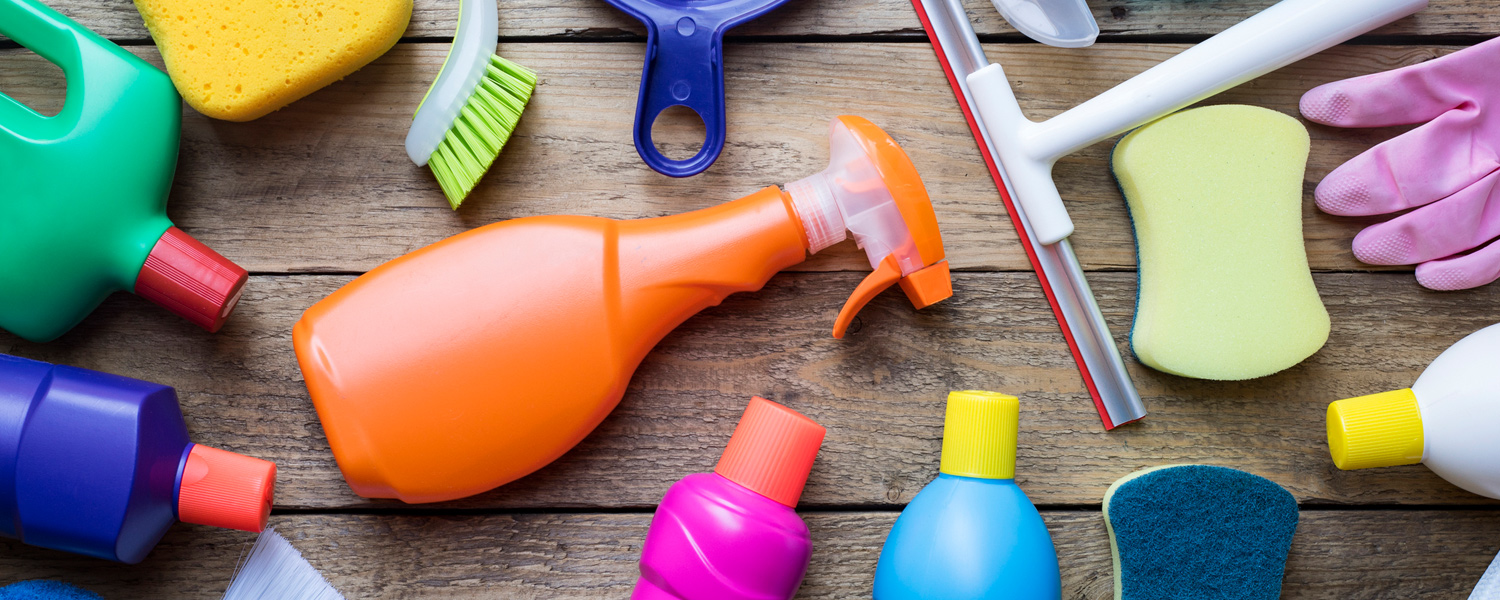
Cleaning Products: Many cleaning agents, disinfectants, and solvents contain toxic chemicals that can harm both humans and the environment when not disposed of properly.
The Dangers of Improper Hazardous Waste Disposal
Improper disposal of hazardous waste presents significant environmental and health risks:
-
Soil and Water Contamination: Hazardous waste can leak into the soil, contaminating land that is used for agriculture, gardening, or recreation. Polluted water can affect drinking water supplies, harm aquatic life, and disrupt local ecosystems.
-
Air Pollution: Many hazardous materials release toxic fumes into the air when improperly disposed of, contributing to air pollution. This can worsen respiratory issues and pose risks to human health.
-
Fire and Explosion Hazards: Some hazardous waste materials are highly flammable and can ignite or explode if not stored or disposed of properly. This can result in fires that endanger lives and property.
-
Health Impacts: Exposure to hazardous waste can lead to immediate effects such as burns, irritation, or respiratory distress, but long-term exposure can result in chronic diseases like cancer, organ damage, or neurological disorders.
How to Find Hazardous Waste Disposal Near Me
If you’re wondering, “Where can I find hazardous waste disposal near me?” there are many ways to ensure safe disposal:
-
Local Hazardous Waste Collection Events: Many cities and towns organize special events to collect household hazardous waste. These events typically accept materials like paint, batteries, electronics, and cleaning products. Check your local government website or contact the waste management office for event schedules.
-
Certified Hazardous Waste Disposal Services: For larger volumes of hazardous materials, or for more specialized waste like industrial chemicals, medical waste, or e-waste, it’s best to hire a certified hazardous waste disposal service. These companies have the expertise and equipment to handle and dispose of hazardous materials safely.
-
Retail Drop-Off Locations: Some retailers and pharmacies accept hazardous materials like batteries, light bulbs, and electronics for safe disposal. It’s worth checking with local stores to see if they participate in these programs.
-
Online Directories: Websites like Earth911 can help you find hazardous waste disposal near me. These platforms let you search for nearby recycling centers, collection events, and disposal services that handle hazardous materials.
-
Waste Disposal Contractors for Businesses: If you’re running a business that generates hazardous waste, such as a medical facility or industrial plant, you should work with a professional hazardous waste management company. These services specialize in large-scale hazardous waste disposal and ensure compliance with regulations.
How to Safely Dispose of Hazardous Waste
To dispose of hazardous materials safely, follow these steps:
-
Identify Hazardous Materials: Start by identifying materials in your home or business that are considered hazardous. Check labels and product safety information if you’re unsure whether something qualifies as hazardous waste.
-
Package Waste Correctly: Store hazardous materials in leak-proof, clearly labeled containers to prevent spills and confusion. Be sure to keep incompatible materials separated to avoid reactions.
-
Follow Local Disposal Guidelines: Laws surrounding hazardous waste disposal vary by location. Be sure to check your local guidelines to ensure you’re following all the proper disposal methods.
-
Hire a Professional Service: If you’re unsure how to dispose of certain items, or if you have a large amount of hazardous waste to handle, consider hiring a certified hazardous waste disposal company. These professionals are trained in safely handling hazardous materials and will ensure legal compliance.
The Role of Recycling in Hazardous Waste Disposal
Recycling plays a significant role in reducing hazardous waste. Many hazardous materials can be safely recycled to prevent pollution and conserve resources. Here’s how recycling fits into hazardous waste disposal:
-
E-Waste Recycling: Electronics like computers, phones, and televisions contain valuable materials such as metals, plastics, and glass. Recycling these items recovers these materials while keeping toxic substances like lead and mercury out of landfills.
-
Battery Recycling: Batteries contain heavy metals like cadmium and mercury, which can be toxic if released into the environment. Recycling programs help safely extract these metals and prevent them from polluting the environment.
-
Paint Recycling: Paint and solvents can often be recycled or repurposed, reducing the amount of hazardous waste that ends up in landfills.