
When homeowners begin planning a roof replacement, two materials frequently rise to the top of their list: asphalt shingles and metal roofing. Both offer practical benefits, but their differences in cost, durability, appearance, and maintenance can significantly influence the final decision. Understanding these differences can help you determine which option makes the most sense for your property.
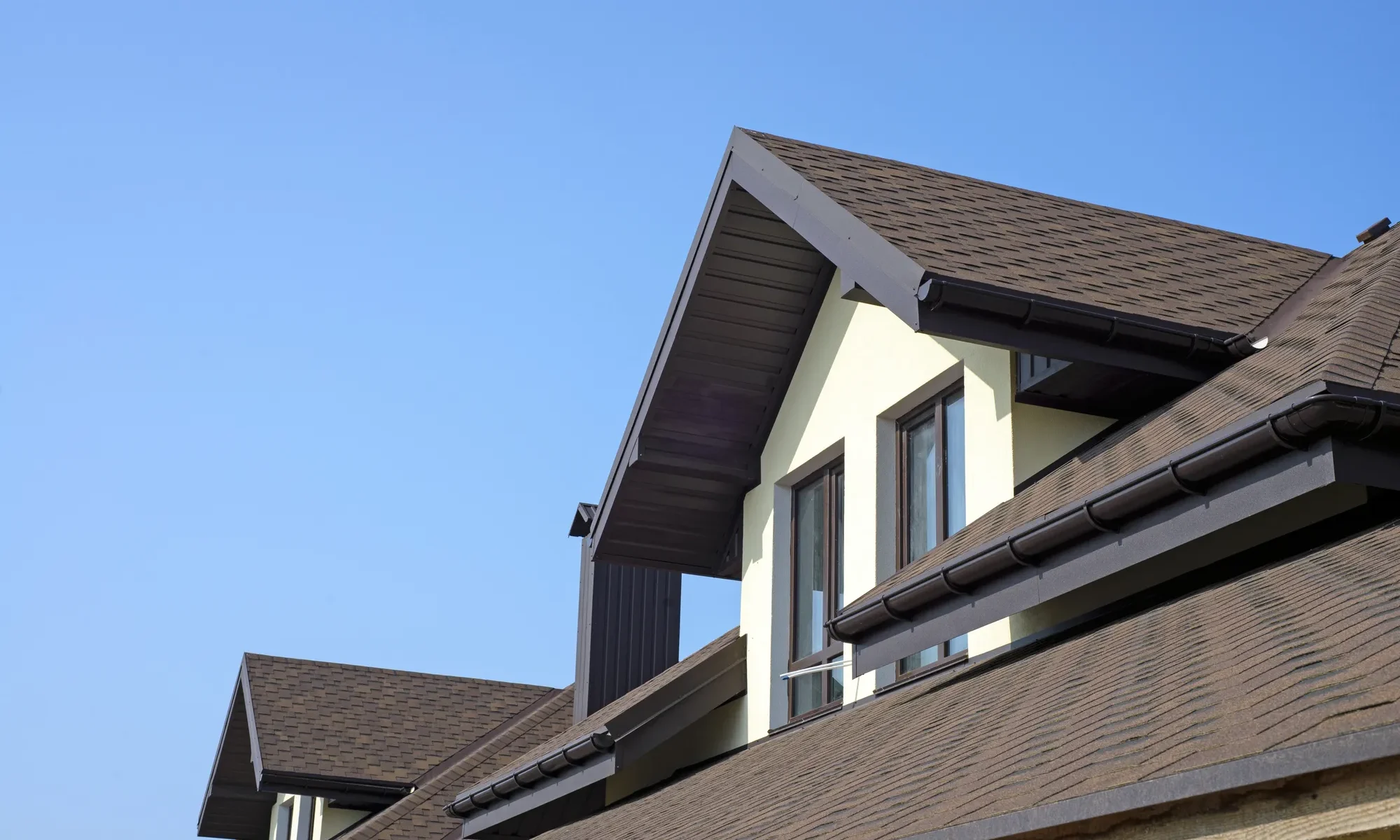
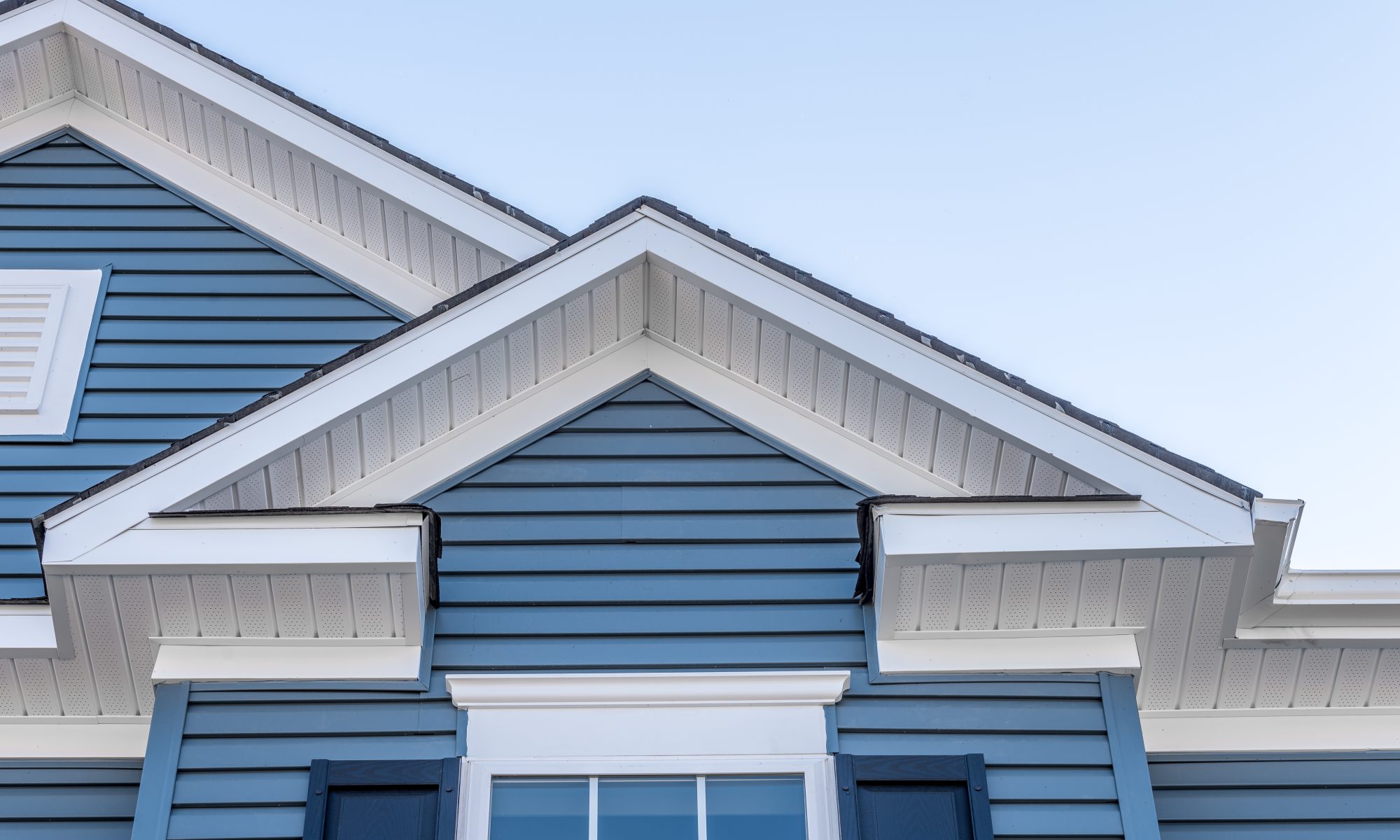
Asphalt shingles are widely chosen because they offer a relatively affordable entry point. For homeowners working within a limited renovation budget, shingles provide dependable protection without the higher initial expense associated with many premium roofing systems. A professional roofing company near me in Palatine can install asphalt shingles in a variety of styles, including architectural products that create a more dimensional appearance.
Another advantage is flexibility. Asphalt shingles work well with numerous residential architectural styles and are available in a broad selection of colors. When individual shingles become damaged, localized repairs may also be possible, depending on the condition and age of the roof.
However, asphalt roofing has limitations. Prolonged exposure to intense sunlight, temperature fluctuations, and severe weather can gradually affect its performance. Over time, shingles may lose granules, become brittle, or develop other signs of deterioration. The exact lifespan depends on the product, installation quality, climate, and maintenance.
Metal roofing generally requires a larger upfront investment, but it offers several potential long-term advantages. Properly installed metal systems can provide decades of service, making them attractive to homeowners who intend to remain in their property for many years.
Metal roofing also performs well in many demanding environments. Depending on the specific product and installation system, it can provide strong resistance to wind, rain, and other weather conditions. Some metal roofs also shed snow efficiently, although snow guards may be necessary in certain situations.
Energy performance is another consideration. Metal roofing with reflective coatings can reduce solar heat absorption, potentially helping homeowners manage cooling expenses. Actual savings depend on climate, insulation, attic ventilation, and other building characteristics.
Maintenance requirements differ between the two systems. Asphalt shingles should be monitored for missing, cracked, or lifted sections. Metal roofs require inspections of fasteners, seams, coatings, and flashing, depending on the system used. Neither material should be considered completely maintenance-free.
Appearance may ultimately influence the decision. Asphalt shingles offer a familiar residential look, while standing-seam metal roofing can create a clean, contemporary appearance. Other metal profiles can resemble traditional shingles or tiles.
Before choosing, ask your roofing company to provide estimates for both systems. The comparison should include materials, installation, underlayment, ventilation, flashing, warranties, and expected maintenance requirements.
Homeowners planning to sell in the near future may prioritize a cost-effective asphalt replacement. Those seeking long-term durability may find metal roofing worth the additional investment. The right choice depends on your priorities rather than one material being universally superior.
A qualified roofing company can help evaluate the condition of your home and recommend a system that balances initial cost with long-term performance.