

Why Sewer Odors Keep Coming Back Even After Drain Cleaning
A sewer smell that disappears after drain cleaning but returns a few days later is more than an unpleasant inconvenience. It can be a sign that the underlying plumbing problem was never fully resolved. While cleaning an affected drain may temporarily improve the smell, it does not always address what is happening deeper inside the drainage system.
For homeowners, the frustrating part is that everything may appear to be working normally. Water drains, toilets flush, and there are no obvious leaks. Yet that familiar sewage odor keeps finding its way back into the house, sometimes becoming stronger after running water or using certain fixtures.
Understanding where the smell originates is the first step toward finding a lasting solution.
Why Drain Cleaning Does Not Always Eliminate Sewer Odors
Professional drain cleaning removes accumulated material that restricts water flow, but not every source of sewer odor is caused by a simple clog.
When grease, soap residue, hair, and other debris collect inside a drain line, they can create a layer of organic buildup. As this material breaks down, it may produce unpleasant odors that travel back through nearby fixtures. If only part of the buildup is removed, the smell can return as new debris collects in the same area.
The problem can also be located farther down the plumbing system. A partially blocked main sewer line may still allow some wastewater to pass while trapping waste and allowing sewer gases to accumulate. In this situation, cleaning an individual sink or shower drain will not necessarily solve the larger issue.
Homeowners looking for sewer rodding near me Algonquin should consider whether recurring odors are accompanied by slow drainage, gurgling sounds, or problems affecting more than one fixture. These additional signs can help indicate that the restriction is deeper in the system.
Five Common Reasons Sewer Smells Keep Returning
1. Buildup Remains Inside the Sewer Line
A drain can appear clear even when deposits remain along its interior walls. Grease, soap residue, mineral scale, and organic material gradually reduce the pipe’s usable diameter.
A basic cleaning may create enough space for water to flow again without removing the entire accumulation. As wastewater continues moving through the pipe, additional debris can catch on the remaining buildup, eventually causing another restriction.
This is especially common when a household experiences repeated drainage problems in the same section of plumbing.
2. A Partial Blockage Is Affecting the Main Sewer Line
Not every sewer blockage causes an immediate backup. Some obstructions allow water to pass through a narrow opening, making the system appear functional until additional wastewater enters the line.
Tree roots are one possible cause. They can enter through small openings at pipe joints or existing cracks, creating a network that catches toilet paper, grease, and other debris. A drain may work reasonably well after rodding, only for the obstruction to become noticeable again as material collects around the roots.
When odors return alongside recurring backups, a professional inspection can help determine whether the issue requires more than routine drain cleaning.
3. A Damaged Pipe Is Allowing Sewer Gas to Escape
Cracked pipes, separated connections, and deteriorated joints can create openings through which sewer gas escapes. Depending on the location of the damage, the odor may become noticeable in a basement, utility room, crawl space, or outside near the foundation.
Cleaning the line cannot correct a structural defect. Even if the pipe is temporarily cleared, the damaged section remains a potential source of odors and future drainage problems.
If an inspection reveals a compromised sewer line, homeowners looking for sewer repair near me Elgin should focus on identifying the exact location and extent of the damage before deciding on the appropriate repair.
4. A Dry Drain Trap Is Letting Odors Into the House
Not every sewer smell originates from a clogged or damaged sewer line. Floor drains, guest bathroom fixtures, and rarely used sinks may have P-traps that have dried out.
A drain trap normally holds a small amount of water that creates a barrier between the indoor plumbing and sewer gases. When the fixture goes unused for an extended period, that water can evaporate, leaving an open path for odors.
Running water for a short time may restore the barrier. However, if the smell continues, the trap itself, its connections, or the venting system may need attention.
5. Plumbing Vent Problems Are Disrupting Drainage
A plumbing vent system helps regulate air pressure inside drain pipes and allows sewer gases to escape above the roofline. When a vent becomes obstructed or develops a problem, pressure changes can interfere with the water seals inside drain traps.
Homeowners may notice gurgling toilets, bubbling drains, or unpleasant smells that seem to appear when another fixture is being used.
Because venting problems can produce symptoms similar to sewer blockages, it is important to identify the actual cause rather than repeatedly cleaning the same drain.
Why Sewer Odors May Become Stronger After Using Certain Fixtures
Pay attention to when the smell appears. The timing can provide useful clues about the location of the problem.
For example, if a sewage odor becomes noticeable after running the washing machine, the additional wastewater entering the system may expose a restriction in a shared drain line. If a basement floor drain smells whenever someone flushes a toilet upstairs, the problem may involve pressure changes, a partial blockage, or an issue with the drain trap.
Smells that appear after heavy water use can also indicate that a main sewer line is struggling to handle normal household flow.
Homeowners who notice these patterns around their property may need sewer rodding near me Arlington Heights to investigate a possible obstruction in the main line. A camera inspection can help distinguish accumulated debris from roots, damaged pipe sections, or other structural problems.
When Is Sewer Rodding Enough, and When Is Sewer Repair Necessary?
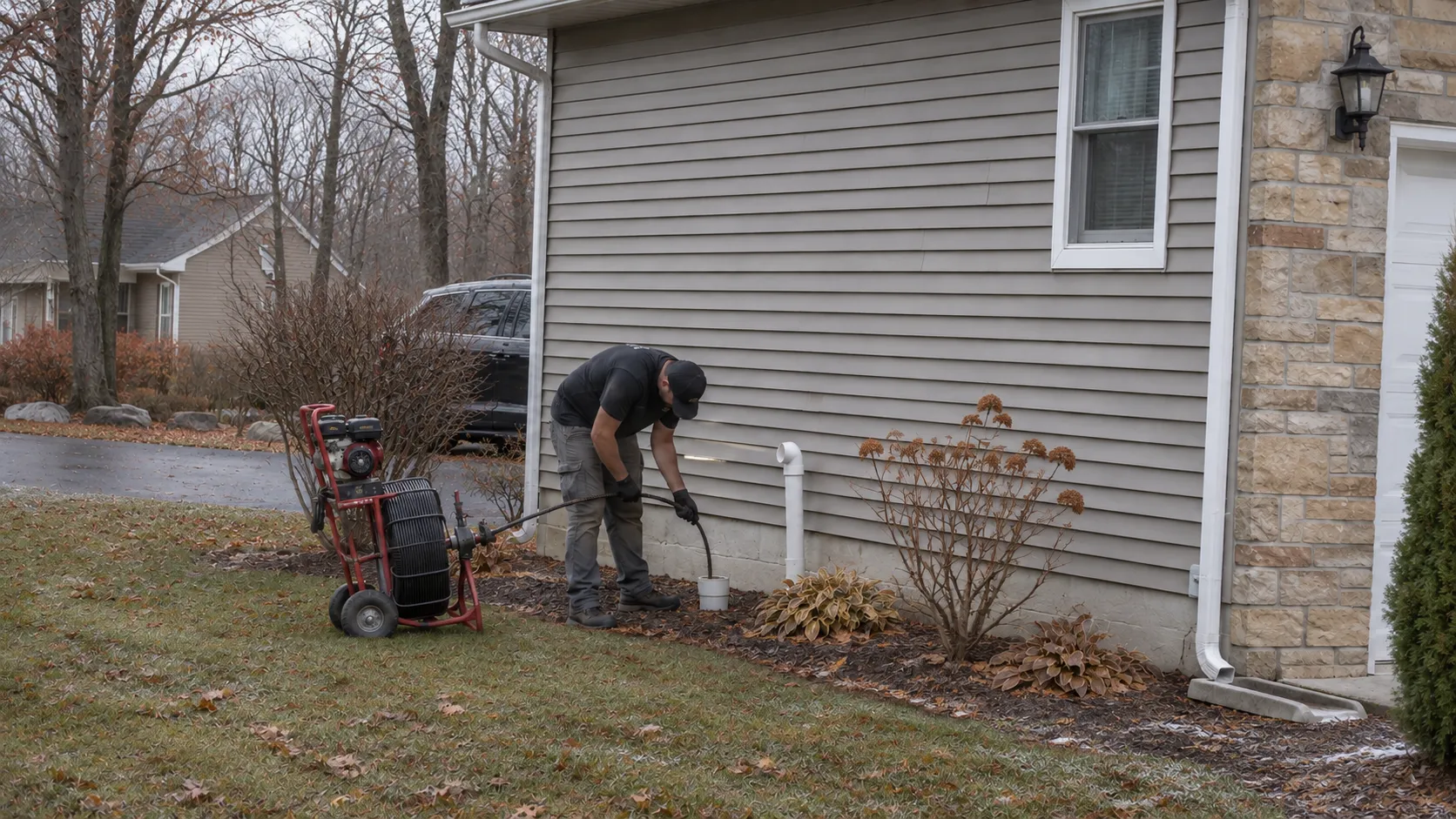
Sewer rodding is commonly used to remove obstructions inside drain and sewer lines. Professional equipment can break through accumulated debris, cut through certain root intrusions, and restore a passage for wastewater.
However, rodding does not repair a cracked pipe, reconnect separated joints, or correct a section of sewer line that has collapsed or shifted out of position.
The distinction matters when the same problem keeps returning.
If a line becomes blocked because of grease or accumulated debris, thorough cleaning may resolve the issue. If tree roots repeatedly enter through a damaged joint, the line may need a structural repair to prevent the obstruction from coming back. A camera inspection can help identify which situation is affecting the property.
For homeowners researching sewer repair near me Cary, a proper diagnosis is particularly important when recurring odors are accompanied by multiple slow drains, unexplained wet areas, or repeated sewage backups.
What a Professional Sewer Inspection Can Reveal
When a smell keeps returning despite previous cleaning, guessing at the cause can lead to repeated service calls without a lasting improvement.
A sewer camera inspection allows a technician to examine the inside of an accessible pipe and look for conditions that cannot be identified from the surface alone.
Depending on the findings, the inspection may reveal:
-
Grease and organic buildup along the pipe walls
-
Tree roots entering through joints or cracks
-
Separated or misaligned pipe connections
-
Cracks, deterioration, or other visible structural damage
-
Standing water caused by a low or improperly graded section
-
Debris that continues to restrict wastewater flow
Once the condition of the line is understood, the appropriate service can be selected instead of relying on repeated cleaning without knowing why the odor returns.
Do Not Ignore Sewer Odors That Keep Coming Back
A persistent sewage smell is worth investigating, even when the drains appear to be working. What starts as a minor odor can sometimes point to a developing sewer problem that becomes more disruptive over time.
Avoid relying on chemical drain cleaners or repeatedly flushing a questionable line in an attempt to mask the symptoms. If sewage is backing up, stop using affected fixtures and arrange a professional assessment. If the smell is strong or unexplained, ventilate the area and avoid treating it as an ordinary household odor.
Whether the issue involves a dry trap, a partially blocked drain, or a damaged sewer line, identifying the source is more useful than simply treating the smell.
Viper Services provides plumbing, drain, and sewer solutions throughout the Chicago suburbs. If you are experiencing recurring odors or drainage problems, professional drain cleaning near me Barrington is one option to explore when the symptoms point to a buildup or obstruction. The right inspection can help determine whether cleaning, sewer rodding, or a more extensive repair is needed.