

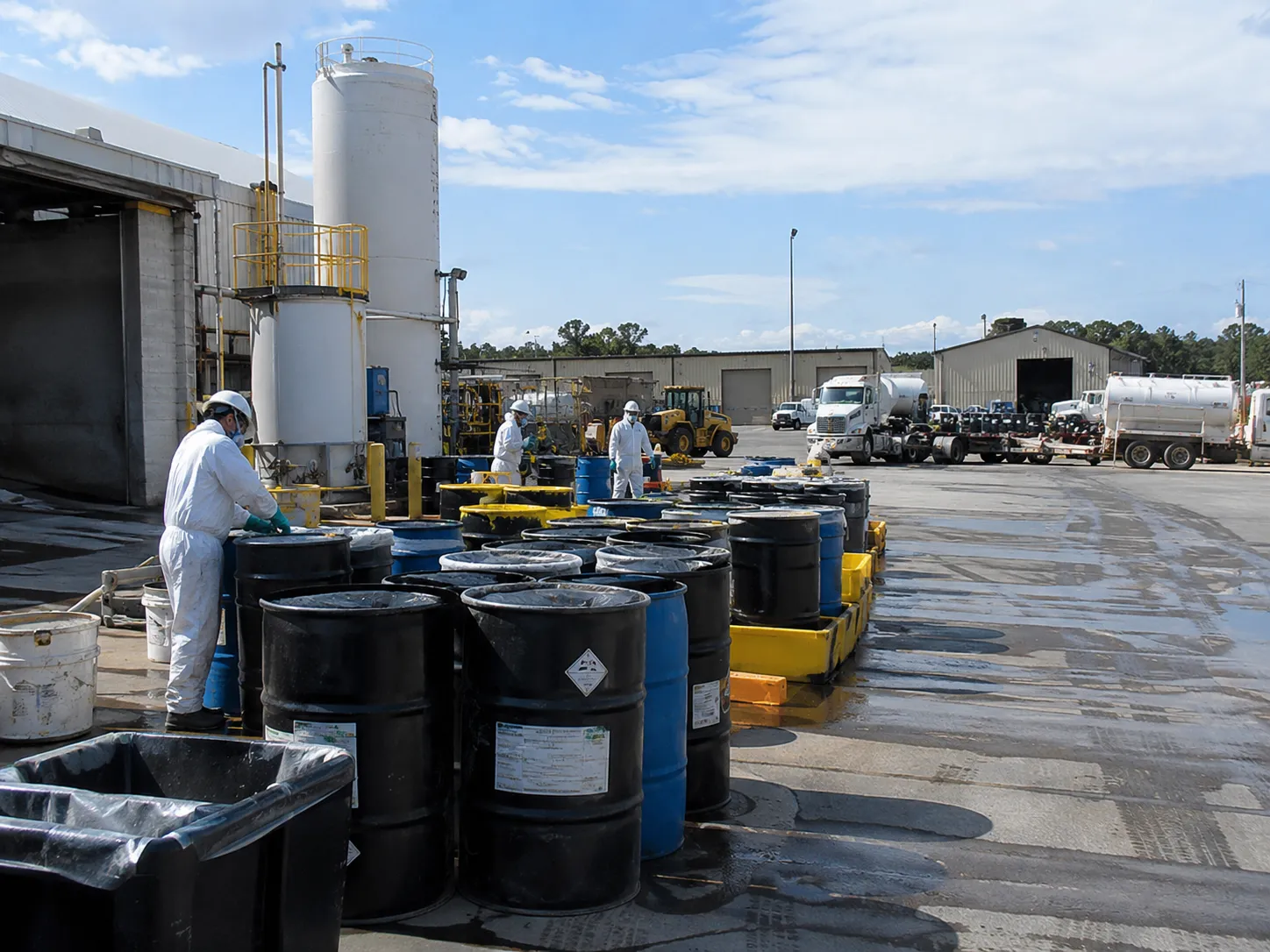
What Qualifies as Hazardous Waste? Common Items Companies Dispose of Incorrectly
Hazardous waste is one of those topics that sounds simple in theory, but in real-world business operations becomes surprisingly complex. Many companies assume hazardous waste only refers to obvious materials like industrial acids or toxic laboratory substances. In reality, it appears in everyday operations across offices, warehouses, factories, and maintenance departments.
The biggest challenge is not generation—it’s identification. Businesses produce hazardous waste constantly without realizing it, which leads to compliance risks and unnecessary costs.
In large urban industrial centers such as Hazardous waste disposal Chicago, companies often deal with mixed waste streams from logistics, manufacturing, and service operations, making classification even more difficult.
A common misconception is that only visibly dangerous substances qualify. However, regulatory definitions focus on chemical properties like flammability, corrosiveness, reactivity, and toxicity. That means something as ordinary as cleaning fluid or industrial degreaser can fall under hazardous classification.
Another frequently overlooked category is maintenance waste. Rags soaked in solvents, used lubricants, and contaminated absorbents are often disposed of incorrectly. These materials may look harmless but can release harmful vapors or react with other substances.
Electronics are another major source. Circuit boards, batteries, monitors, and printers contain heavy metals such as lead, mercury, and cadmium. When improperly disposed of, they create long-term environmental contamination risks.
In Hazardous waste disposal Baltimore, regulators have increased inspections focusing specifically on electronic waste handling and storage compliance.
Paint-related materials also cause confusion. Even dried paint containers or partially used cans may still contain hazardous residues depending on their chemical composition.
Another underestimated issue is expired chemicals. Many businesses store cleaning agents, adhesives, or industrial compounds long after their shelf life, not realizing that degradation can increase toxicity.
In Hazardous waste disposal Jacksonville, waste audits often reveal that outdated chemical storage is one of the most common compliance failures.
Industrial oils and fuels also require special handling. Used oil may contain heavy metals and combustion byproducts that make it hazardous under environmental regulations.
Training is a major weak point across industries. Employees responsible for disposal often lack formal training in classification rules, leading to accidental violations.
Even in smaller industrial hubs like Hazardous waste disposal Jackson, regulatory enforcement is becoming stricter as environmental standards tighten nationwide.
Ultimately, hazardous waste is not defined by appearance but by composition and regulatory classification. Companies that invest in proper waste audits, labeling systems, and employee education significantly reduce risk and improve compliance.